

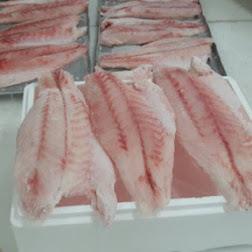
Uganda has been officially authorised to export finfish and finfish products from aquaculture to the European Union (EU), ending a period during which the country was not listed among nations permitted to ship these animal products to the bloc.
The update was announced on January 28, 2026, as part of the EU’s revised public health list of countries approved for exports of animals and animal products.
Uganda’s inclusion follows the submission of a control plan demonstrating that its aquaculture sector meets the EU’s strict sanitary and public health standards.
The approval is a significant milestone for Uganda’s aquaculture industry. Compliance with EU standards not only allows local fish products to enter a lucrative market but also strengthens Ugand's systems for quality assurance and public health.
Uganda’s exports to Europe already include coffee, tea, fresh produce, spices, and processed foods, but animal products have faced restrictions due to compliance gaps.
Approval to export aquaculture products is expected to boost foreign exchange earnings, attract investment in fish farming and processing, and encourage improvements in cold chain and logistics infrastructure.
The aquaculture sector is dominated by small- and medium-scale farmers, and officials say EU access provides an incentive to improve practices, including proper handling, storage, and traceability.
The inclusion in the EU-approved list will encourage farmers and processors to adopt higher standards, ensuring that Ugandan products remain competitive internationally.
While this marks progress, challenges remain. Exporters must maintain compliance with EU regulations, including traceability, sustainability, and food safety requirements, to sustain access and expand the range of products eligible for export.
Uganda’s clearance to export finfish and aquaculture products comes at a time when the government is prioritising export diversification and value addition in agriculture.
The move is expected to benefit rural communities engaged in fish farming, strengthen agro-industrial linkages, and position the country for broader participation in high-value international markets.
